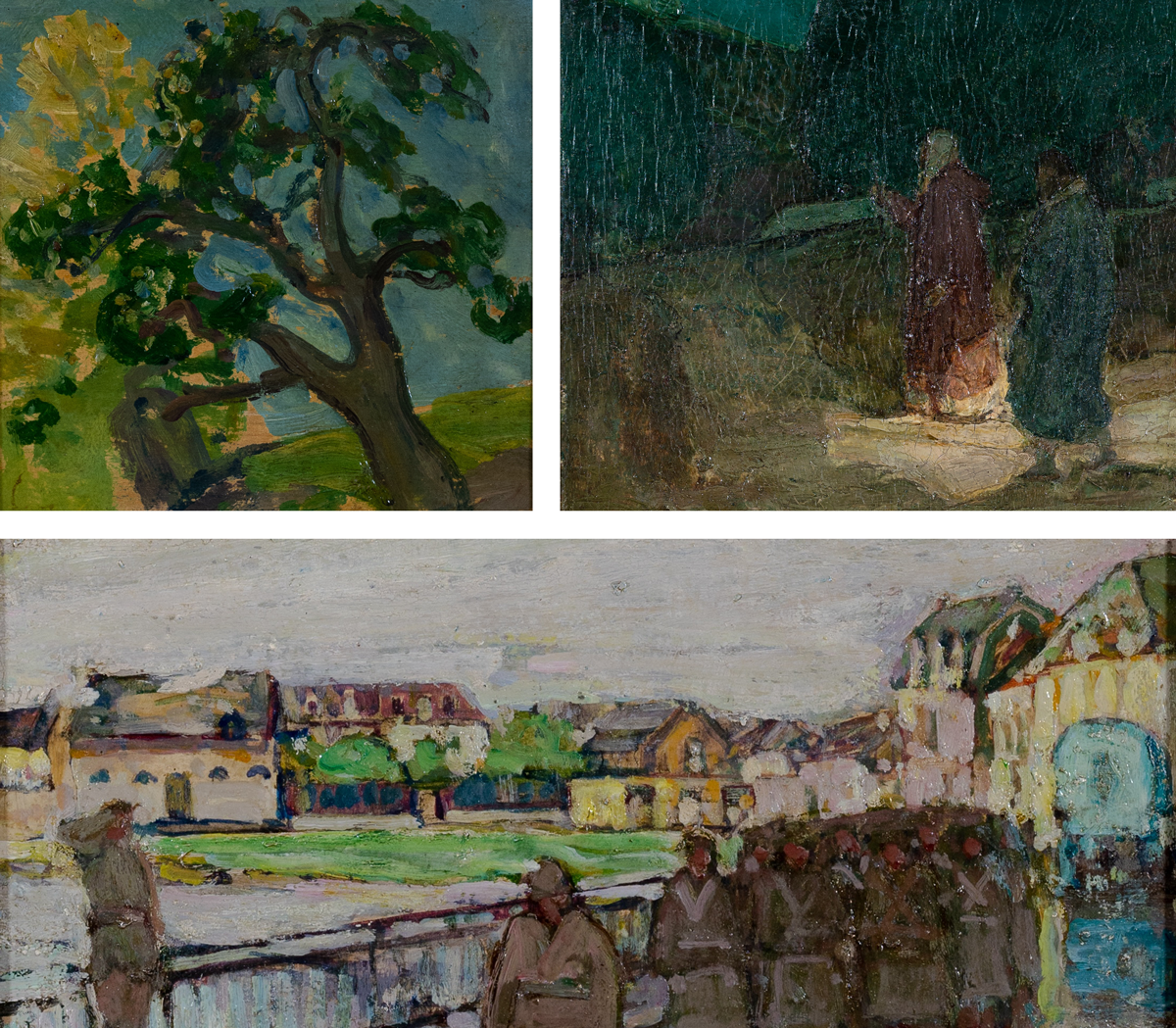
Henry Ossawa Tanner was a nineteenth-century African American artist from Pittsburgh, Pennsylvania, who migrated to France before the turn of the twentieth century. In 1889, Tanner established a photography studio in Atlanta, Georgia, and later was invited to teach drawing at Clark College for two years. Raised in the African Methodist Episcopal tradition, Tanner’s religious themes are reflected throughout his work.
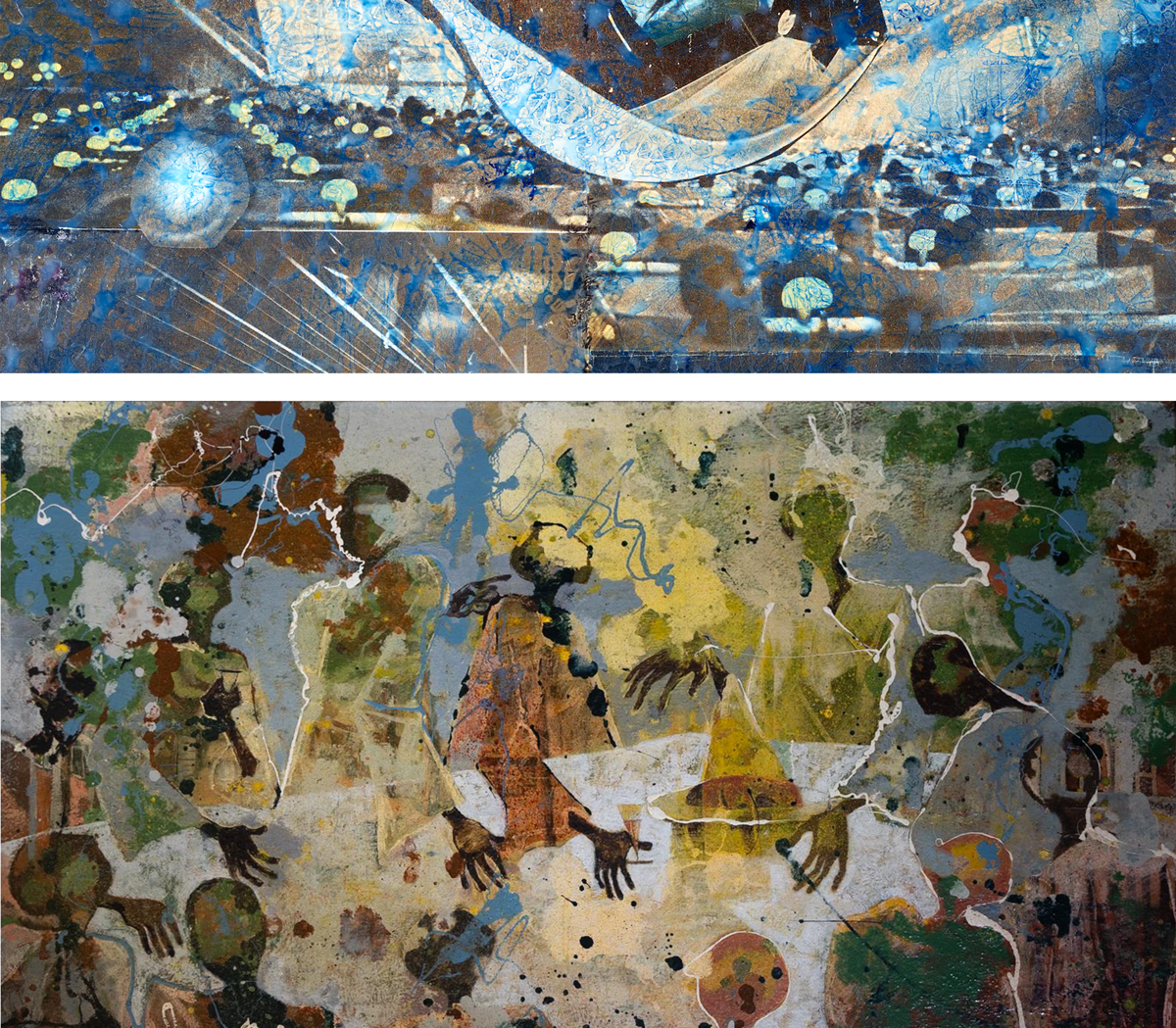
Hale Aspacio Woodruff was a muralist painter and printmaker who established himself as an educator before being recruited to teach at Atlanta University. In 1948, Woodruff was commissioned to create the Art of the Negro mural series for the Trevor Arnett Library atrium. Despite an initial refusal, Woodruff was commissioned to create the Art of the Negro mural series. Installed in 1952, the six-panel series is a counter narrative to primitivist arguments of African diasporic history and reflects on the culture of people of the Global South.
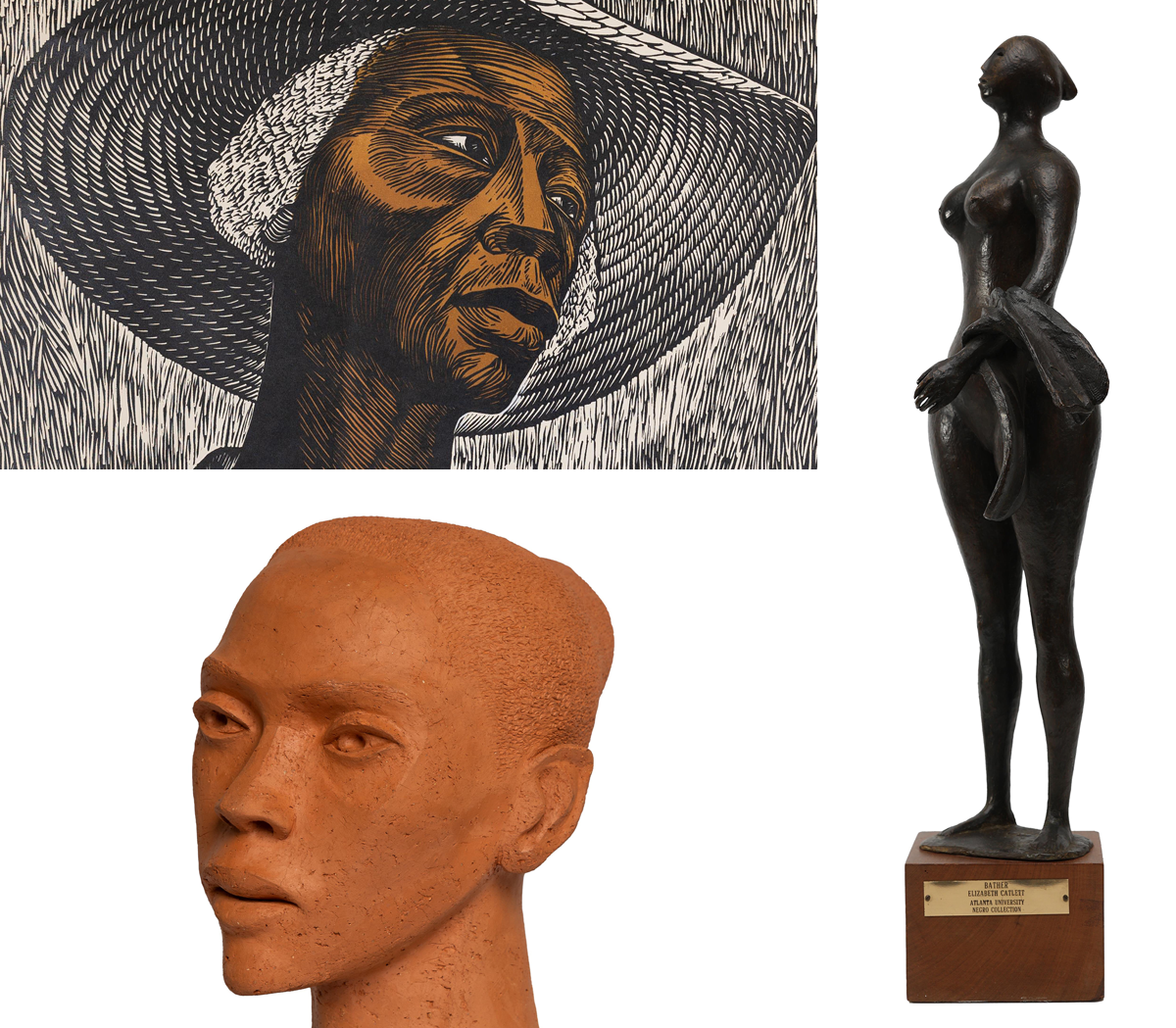
Elizabeth Catlett was a painter, sculptor, and printmaker who graduated from Howard University with a degree in art and later became the first Black woman to earn a Master of Fine Arts in sculpture. Catlett received a Rosenwald Fellowship in 1946, enabling her to travel to Mexico City and develop her political artistry. Catlett’s first submission to the Atlanta University Annuals in 1942 did not win, but by 1946, her first award winning submission, Young Girl, reflected her training and determination to remain in community with Black artists in the U.S.
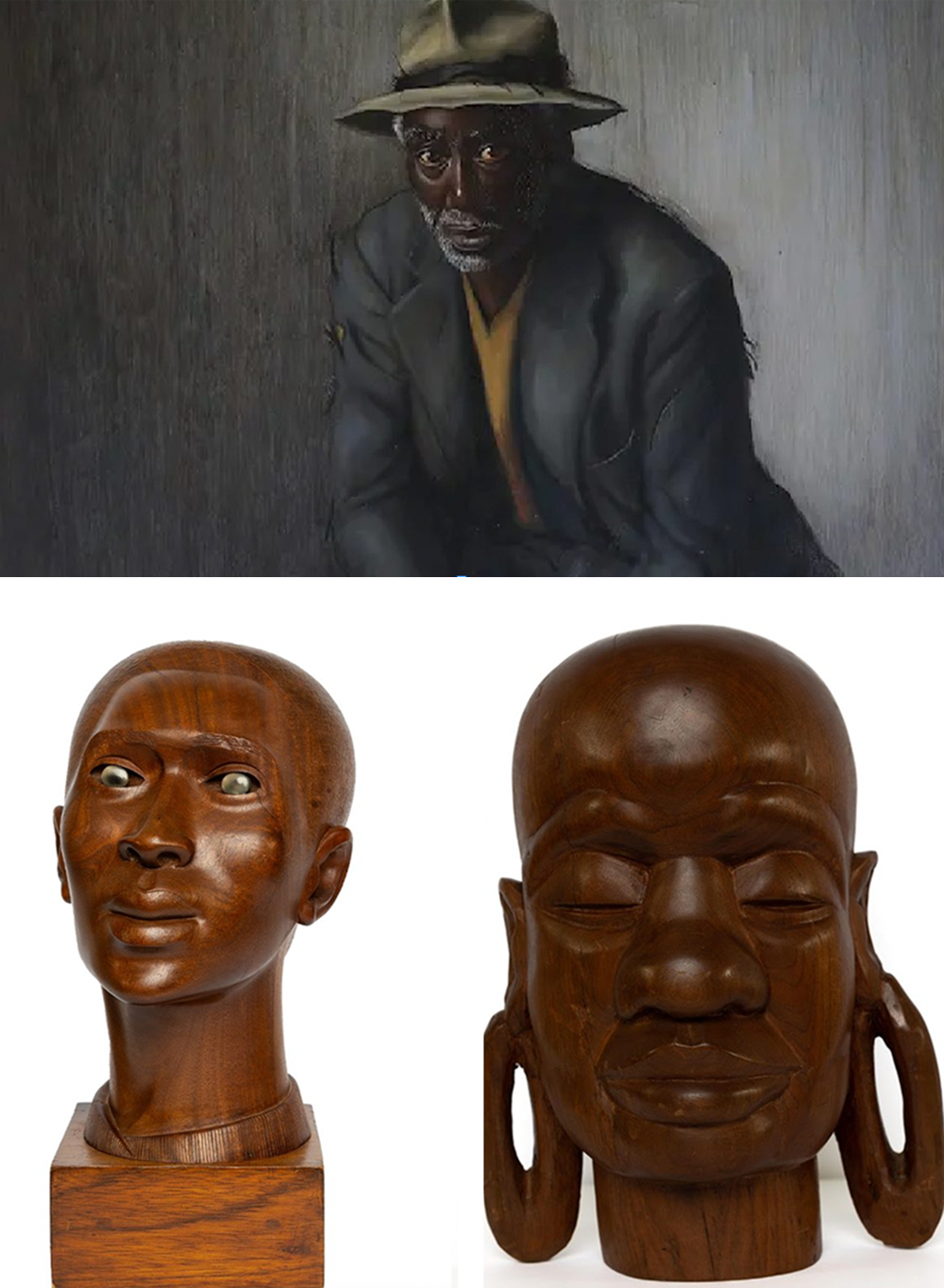
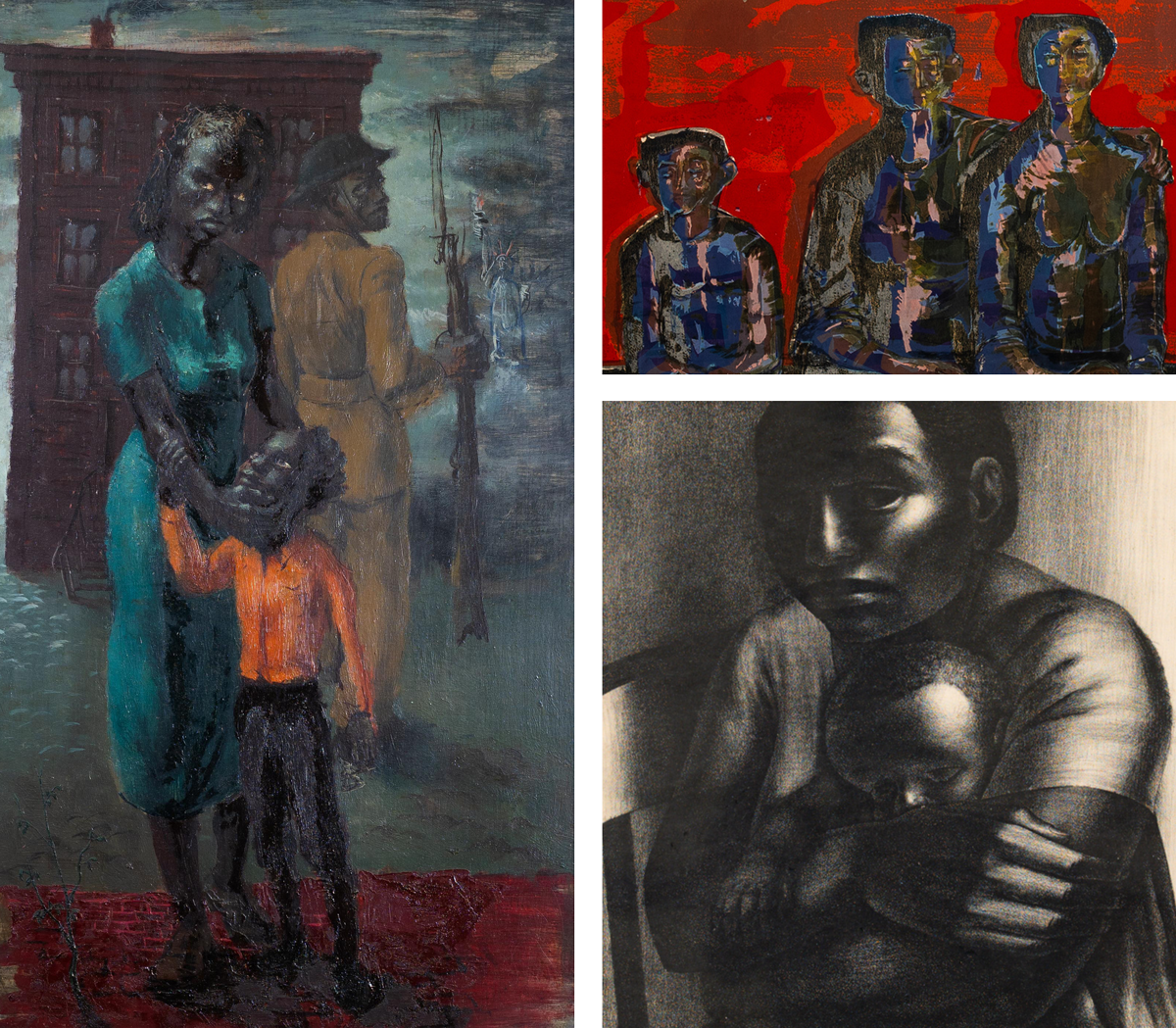
The Atlanta University Annuals, originally known as the Exhibition of Paintings and Drawings by Negro Artists in America, was an annual juried art competition designed for Black diasporic artists, held at Atlanta University from 1942 to 1970. The winning pieces from the Annuals competition were accessioned into Atlanta University’s art collection and form the foundation of the CAU Art Museum’s permanent collection. There has been a rise in the popularity of portraiture among contemporary artists as they strive to depict the diversity of humanity and the human experience. Artists like Amy Sherald, Kehinde Wiley, and Kerry James Marshall are working within a tradition that disrupts narratives that rob Black people of their personhood. Likewise, within the sculptural form, busts of Black people reshape public narratives, disrupt inherent biases, and center the humanity of the Black subject. Portraits and Busts from the Atlanta University Annuals presents a collection of Black artists’ paintings and sculptures of Black subjects in the mid-20th century.
Kenya Barris, writer and producer, graduated from Clark Atlanta University in 1996. Barris is known for his movies Girls Trip, Little, and Shaft, as well as his television shows Black-ish, America’s Next Top Model, Grown-ish, and more.
Amy Sherald is a storyteller who documents contemporary African American experience in the United States through arresting, intimate portraits. She received her MFA in painting from the Maryland Institute College of Art and her BA in painting from Clark Atlanta University.
James Weldon Johnson was an educator, activist and writer who graduated from Atlanta University in 1894. He is most known for composing “Lift Ev’ry Voice and Sing”, his work with the NAACP and being the first African American professor at NYU.
As an alumna of the illustrious Clark Atlanta University and current museum professional at the Atlanta History Center, the Art Museum has been a staple in my experience, not only as a current student, but also as a recent graduate; the Art Museum is a place where art and Black history meet, and that is something that is so important and dynamic in our experience and I am greatly appreciative that it is an option for us to have on our campus.Quiane Turner, C’23